The Sony FX5 just came out and while it doesn’t satisfy every film-maker in the world, it is a product of undeniable quality and one that many have been waiting for for a long time. The same thing can also be said about most cameras that have come out lately or are about to.
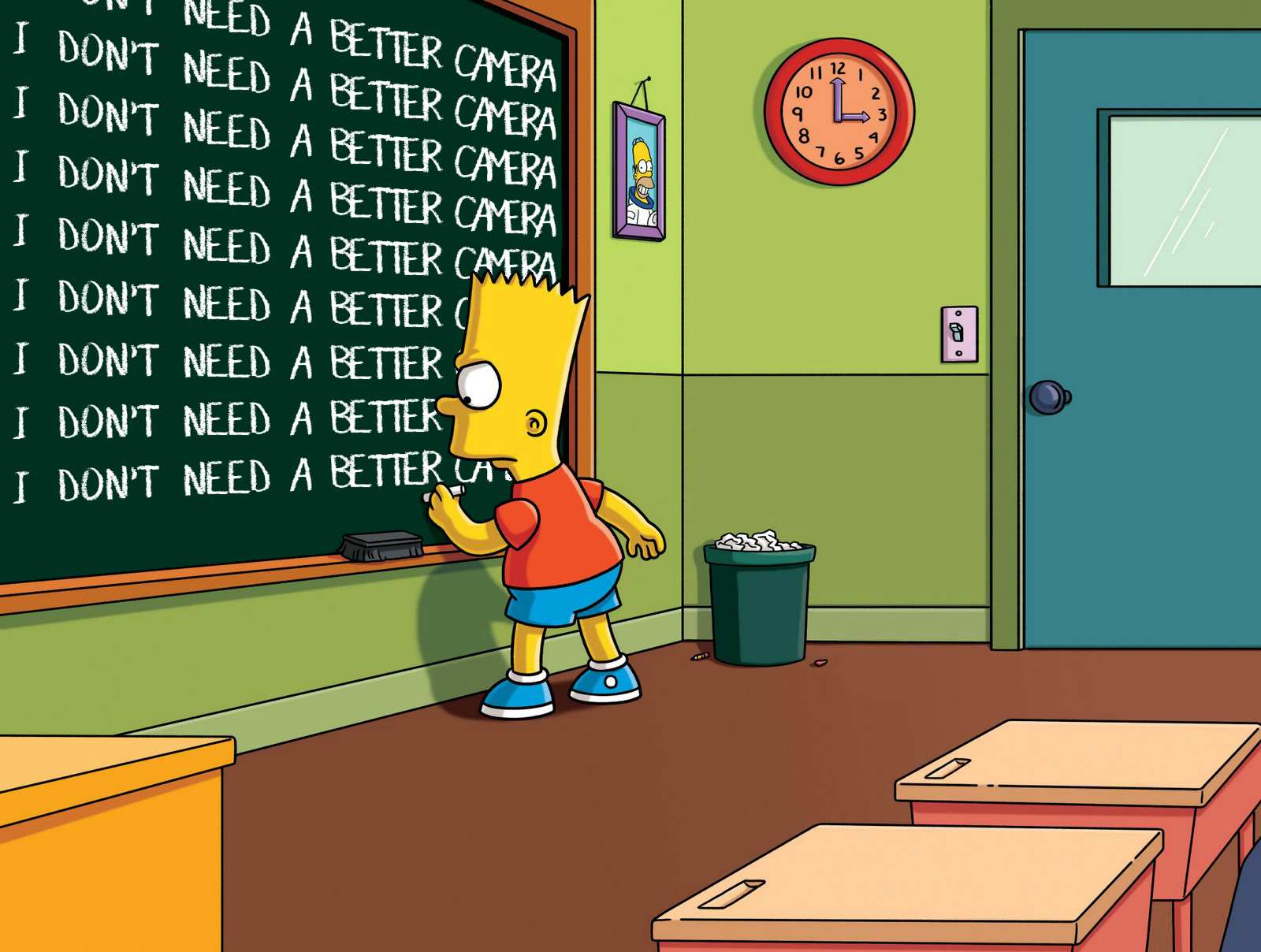
Do we need them, though? Or more appropriately, when do we need better cameras?
MY PERSONAL EXPERIENCE
During my years doing both photography and videography my gear has certainly changed, camera included, but many times I found myself looking back and wondering if I really had needed to. And honestly: I’m not sure.
What I am sure about is that, every time I’ve upgraded my camera, I’ve been consistently surprised not by the new features that the upgraded body put at my disposal, nor by the improvement in its capabilities over my old one’s, but by how much I could already pull off with what I had, if I just put in a bit more effort. Sometimes my old cameras, which I still use as a backup, even saved me.
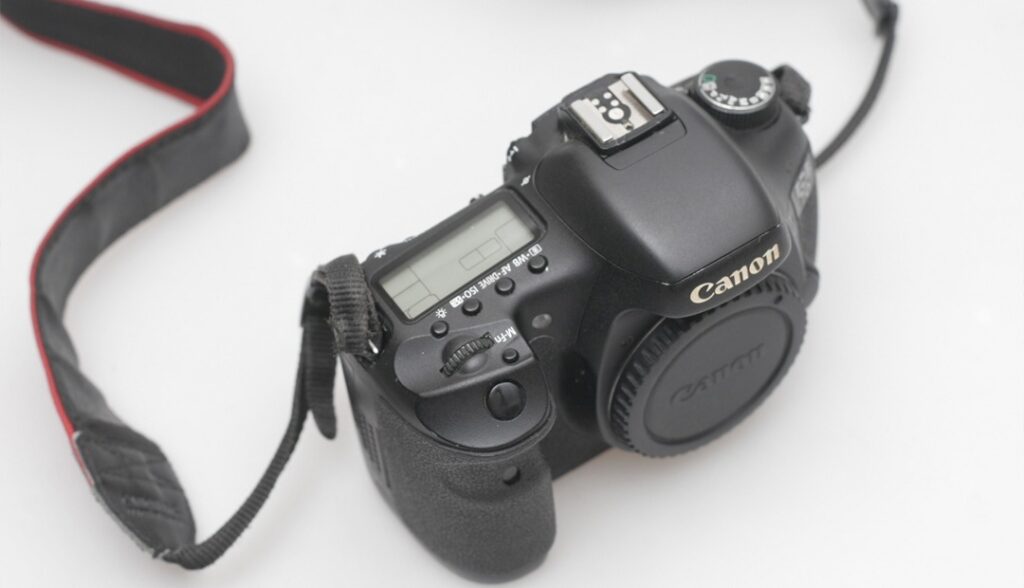
To this day, not only do I have images in my portfolio that were shot with old cameras – I’m not going to get rid of a great shot just because of what I took it with – but one of my actual favorite cameras is still the Canon 7D mark I, an APS-C DSLR camera from 2009. It is a bit heavy by today’s standards, but honestly I just love the thing!
Could I still use it for what I need now? Well, it wouldn’t be as easy as working with my current camera is, that’s for sure, but for the most part yes, I could. Is it perfect? Not at all, but I don’t really think it matters.
THERE IS NO PERFECT CAMERA
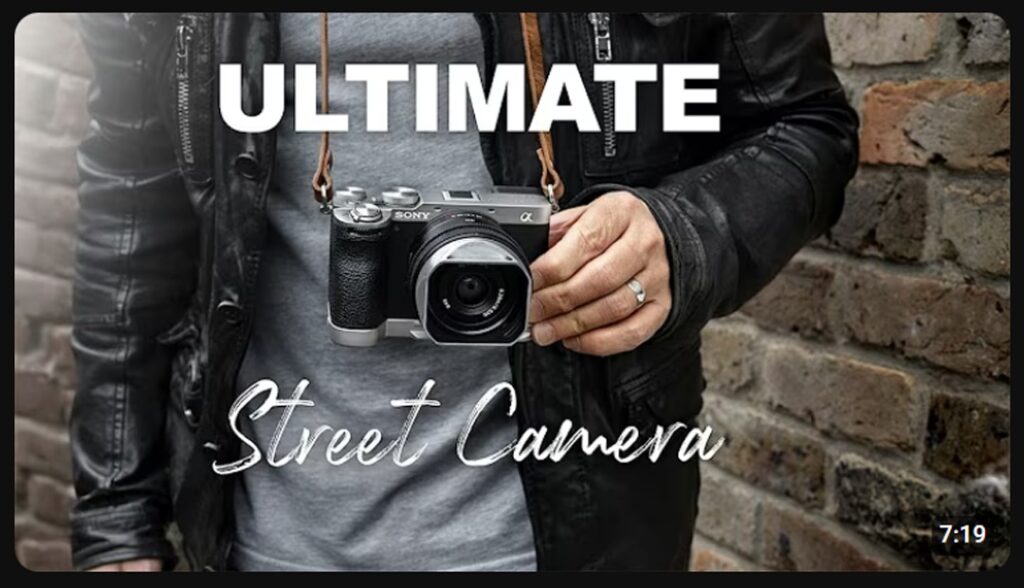
In fact, there is no single camera that is perfect. No one-size-fits-all, no universal solution for everyone. Cameras are tools and, like any other tool, you’re going to find different ones for different needs. A solo film-maker that does some photography on the side could say that the Sony A7SIII is perfect, while a commercial product photographer might name one of the Fujifilm GFXs as the best. Neither of them would be wrong, those could very well be the perfect cameras for each of them respectively.
So should you be looking for what’s perfect for you? Well I still think…
…YOU DON’T NEED PERFECT
You just need good enough. Whatever you want to achieve, you just need something that allows you to do it. Everything more is extra. Sure, extra is nice, but it’s not a need. And once you do have a camera that is good enough, there’s plenty of other things that you will want to look at first, before you think about upgrading.
THINGS THAT MATTER MORE
YOUR THEORY AND KNOW-HOW
If this is something you hear often, it is because it’s true: technical knowledge and skill are way more important than anything else. And you can’t buy your way around it. You can have the best cameras, the best lenses, the best models, stylists, make-up artist, the best everything, and you would still end up with crap if you don’t know what you’re doing.
You want to know your theory, you want to know your equipment, and you want to practice.
So if you are not fully satisfied with your work, the first thing I’d consider is to study more and to practice more.
YOUR STORY OR SUBJECT
Given that one never really ceases to learn, once you do know fairly well what you are doing, you will want to think about other stuff. Like the subject, the themes, the message, what you are expressing and communicating through your photography or your film.
It doesn’t need to be revolutionary, but you will want to make sure you are creating something interesting, compelling, intriguing, fascinating, meaningful, or otherwise relevant to people. It has to make them feel something. If it doesn’t, they are not going to care about it, no matter what gear you used.
Whatever project you are working on, always consider what thoughts and emotions it might suggest or evoke and make sure there are some.
LENSES, LIGHTS AND ACCESSORIES – ALL THE OTHER GEAR
Now we can start looking at gear. In my opinion every piece of gear other than the camera matters just as much as the camera itself, if not more, as lenses, lights and accessories all play a role in dictating what you can and can’t do.
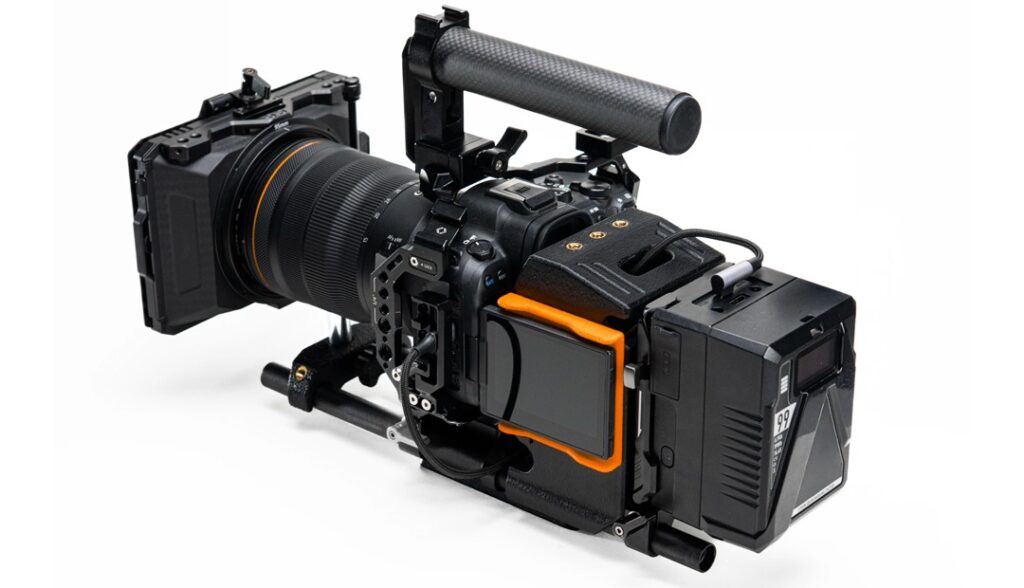
If you are working on a film, you may need to rig your camera with a cage and handles, or a shoulder mount, a tripod or a gimbal; you may need a follow focus, an external monitor and battery, and possibly some microphones; and you will definitely want lenses that are smooth and silent, as well as some constant lights and some modifiers.
For photography you might want one or more flashes with their modifiers and possibly a trigger, straps that are comfortable, and lenses that give you good range and are fast and reliable with autofocus.
AND LENSES ON THEIR OWN MATTER A GREAT DEAL
I think we sometimes forget just how important glass is. If there are great photographers and film-makers that make masterpieces with only a couple of lenses, and sure you can do it too, this doesn’t mean that the choice of optics won’t have a big impact. How much of the scene you can get in the frame, how tight you can get on a subject, how close to something far, how much light you can get in and how shallow of a depth of field (or plane of focus) you can have, it all falls on the lens. You might not need many, but I’d say you generally want an appropriate selection that would allow you to work in all of the possible scenarios you might need to. And you want them to have the right characteristics.
If you lack any of these or other things you might need, like bags, carrying cases, filters or whatever, there’s nothing any camera, not even the best, can do about it.
If you ever feel limited in what you’re able to achieve, I’d look at what gear you might be missing in your current setup.
A PERSONAL NOTE ABOUT LENSES
Lenses are one of the reasons that made me decide to change my whole camera system, just recently. Which lenses I was going to be able to use mattered more to me than the camera itself I was getting, and I had known for a while, actually, that if I had considered this earlier in my career I wouldn’t have needed to ‘upgrade’ quite as much as I have.
But that’s another story. You can read part of it in my previous entry about going from Canon to Sony, HERE, if you’re interested.
WHERE THE CAMERA SITS
Only after all of the above, the camera finally comes in.
I want to reiterate how this doesn’t mean that the features or specifications of a camera are pointless: especially as a professional, there are going to be things you just need your camera to do and to do well. For me, for instance, low-light performance is quite important while resolution not so much, for others it might very well be the opposite. But there definitely comes a point, as you go up in price or look at newer models, where you are bound to reach diminishing returns. I don’t think upgrading your camera ever stops feeling good, but it tends to stop being worth it at some point, especially if there are other things you haven’t addressed first.
MY CONCLUSION
All of this to say that: I know that sometimes it’s easy to look at what the others are doing and what they’re using, especially in this everything’s-on-the-internet era, and feel like you need that too. Thinking that if you only get this camera, or lens for that matter, it’s gonna dramatically increase your workflow and the quality of your work, making everything better.
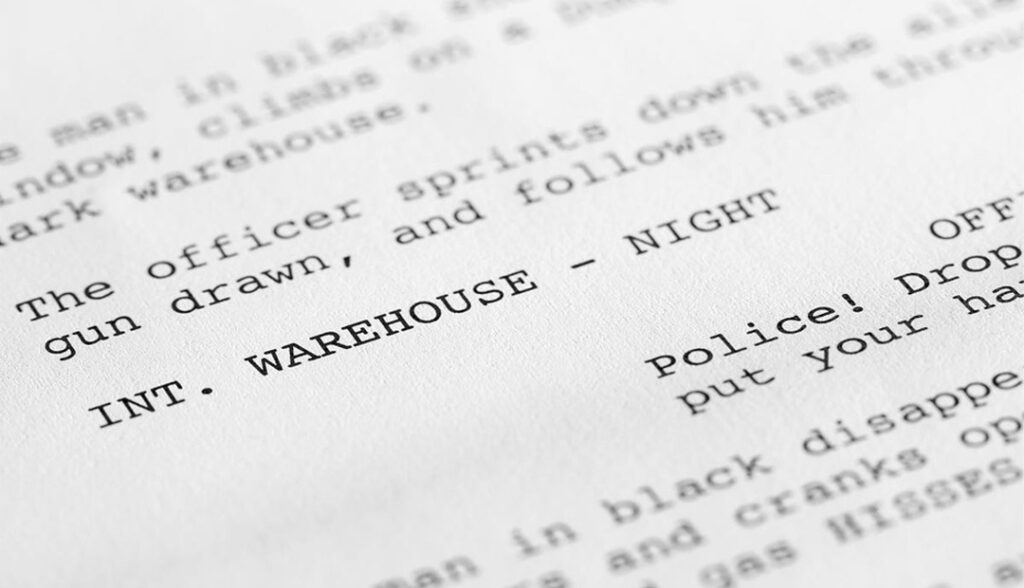
But it’s a lie. It’s the lie we tell ourselves when we are lazy, overwhelmed, confused or demotivated, and we just can’t think about putting more time into the study of theory, or into making a script good, or making sure we are actually equipped properly for what we want to achieve. But those are exactly the things that we should be doing – most of the time.
Leave a Reply