Hi, and welcome. Today I want to talk about props.
Why, when and how to use them, how and where to pick them, as well as my personal thoughts and experiences with them.
But let’s start with the basics.
What is a Prop?
A prop is described as an accessory, an extra element used on set, that’s movable and not part of any outfit nor scenery.
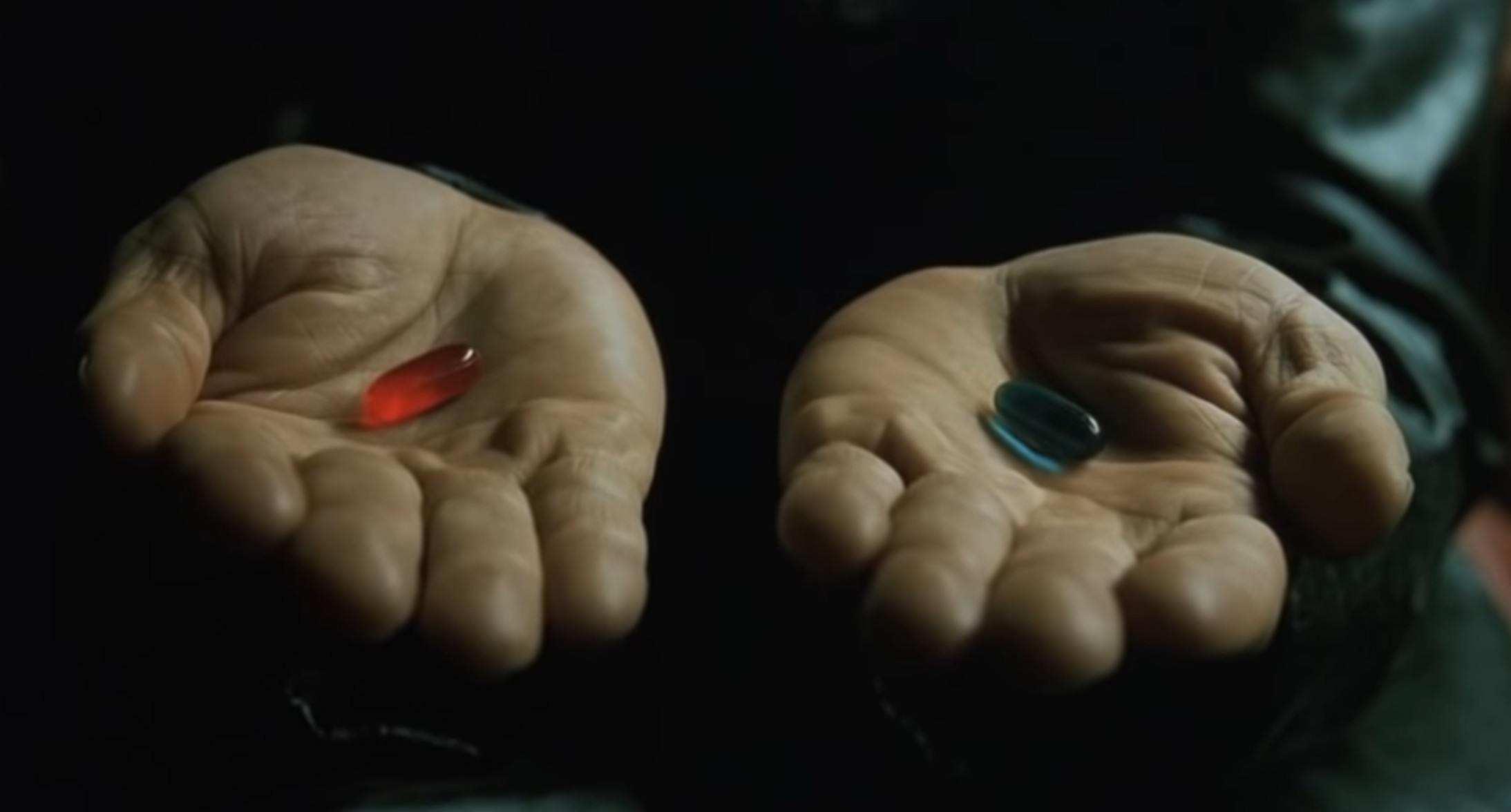
They’re easy to identify in movies: the one ring in Lord of the Rings? A prop! The pills Morpheus offers Neo in Matrix? Props! Lightsabers in Star Wars? Props!

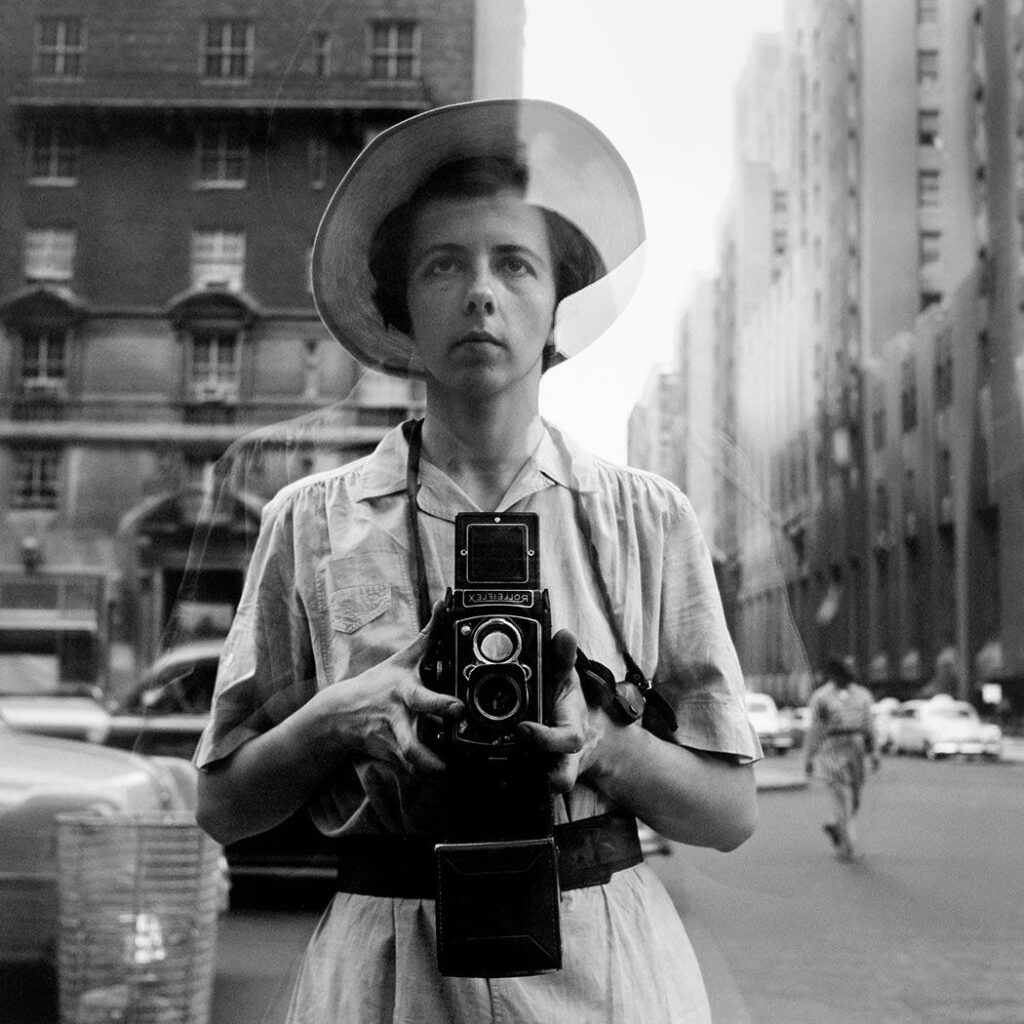
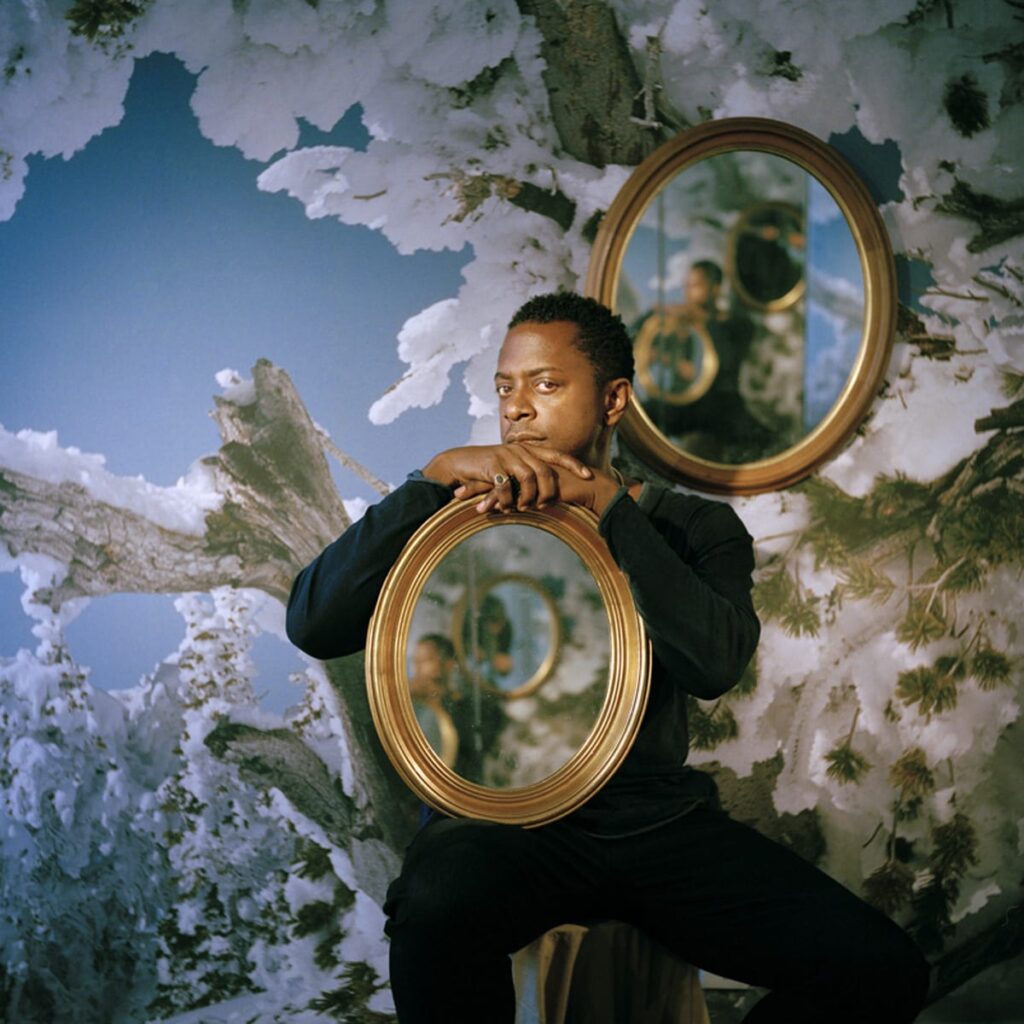
But they’re used in photography as well, and you will often find mirrors or cameras in such role.
A bouquet of flowers, a pen, a phone, a car: many many things could be used as props.
So, what’s their use?
If I wanted to be cryptic, I could say their purpose is (mostly) storytelling.
What do I mean? I mean that they are tools used to tell stories. But it’s easier to show than tell, so I’ll give you an example.
Imagine you have a talent sitting at a table, and that’s it. It’s not a completely empty vacuum, but pretty close to it, you might agree.
Now, put a phone on the table and suddenly they could be waiting for a phone call. Or maybe they’re the one who’re supposed to be making the call and don’t want to, or they’re waiting for the right moment. Maybe there’s no phone, but there’s a piece of paper and a pen instead, and the talent is jotting down something.
See where I’m going with this?
We are using props to create context around our character, opening up possibilities for things to happen and a story to unfold.
If we want to be more practical about it: a prop could be used to convey information on the setting, on the character or on the action that we’re portraying.
Do you always need Props?
is also a good question. And to me the answer is no.
While they are often key in editorial work like lifestyle photography and most portraiture really, they are much harder to see in commercial work like fashion, beauty or product photography.
There’s reasons for this and they mostly boil down to what the goal of the project is.
If I’m selling you a car, I may not want your attention to be grabbed by something else in the frame. On the other hand, if I’m shooting portraits for someone, it might be cool to show them doing something they like, painting for instance? That’s going to involve a prop.
Anyway, those are not rules set in stone, and I will provide you with an exception in just a moment.
Reversing roles
A thing that happens in commercial work, with product photography most of all, is the reversal of roles, where what would normally be the prop becomes the subject. I’m talking about shooting ad material for a wrist watch or a phone, or some jewelry maybe? In those cases, we’re not talking about props anymore, unless some other element is incorporated.
I will borrow this work from Kyle Cong as a little case study here, to point out 3 things:
- the talent is not the subject, the headphones are
- the phone in her hand is a prop
- the prop phone doesn’t clash with the subject because it adds context to it, in such a way as to make the message of the image stronger.

Now: how do you choose a prop?
Choosing a prop and finding a way to incorporate it in your work could be something that comes very easy and natural, or the complete opposite, and this will vary depending on many factors.
In the example I made earlier about portraits, it could be as simple as asking the subject and seeing what looks and feels best to them.
In a fashion editorial, it could be about finding an element of contrast to make the styling pop out more.
We go back to what the goal is, so my advice would be to think about that first.
Do you need to add some color? Do you need a character to look a certain way, to come off a certain way? What’s the message you want to get across through this project?
These are all good questions to get you started on the path to choosing the right props for the job.
ONE EXTRA WORD OF ADVICE
Sooner or later you might find yourself wanting to use a specific prop just because you like it, or because it looks cool. There is nothing wrong with that BUT, please, if you do so, try to still be mindful of how it might affect the story and the impact of the project.
The easiest example that comes to mind to show you how this might matter more than you’d think would be period or cultural portraiture. In works like these, you really want to check and make sure you’re accurate with your props as much as with the styling and most everything else. If your prop of choice fits, then great, you might just have made the shoot even better! But if it doesn’t, be smart and keep the cool prop for another day. The chance to please ourselves just that little bit more is never worth the risk of ruining a shoot.
Finding the props
With their vast variety and nature, props can be found anywhere. You could get some from grocery stores, like Juan Pablo Viades usually does, and most other common shops, or from thrift shops, from specialized propmakers, or you could even opt for some DIY.
From a professional standpoint, the easiest way you have of getting something will usually be the best one. Quality might be a factor in making your choice, but it also might not. For a hobbyist, on the other hand, or someone working on a tight budget, the cheapest way could be better.
Two more suggestions would be:
- don’t overspend if you can avoid it: if a prop is going to be out of focus, far in the distance, partially hidden by something, or any combination of these things, it probably won’t need to be the definition of perfection.
- don’t put all your eggs in one basket unless you’re sure: it’s often good to pick a few more props than you need, just to have more choices and backups, in case one doesn’t work the way you thought it would, or you just decide to take a different route from the original plan.
My personal experience with props
Personally, I love props, and I try to use them as much as I can.
With my work being mostly character-driven editorials, it is usually pretty easy for me to incorporate them. I use props to build on the characters I’m portraying, to show more about them, to tell more of their story. Props also prove useful to me in grounding said characters in the world they’re part of, making both more real and alive.
Take this, for instance.
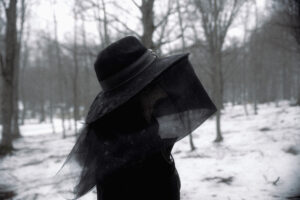
This mysterious figure (Destiny) sure has a peculiar outfit and finds themself in a cool landscape, but all is still a bit too cryptic, don’t you think? The portrait doesn’t tell us who this person is.
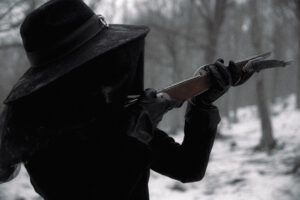
Here they’re wielding a crossbow. This doesn’t answer all of our questions, if anything it leaves us with even more questions than we had before, but IT DIRECTS our questioning.
This person is armed: why?
The way the character interacts with the prop also adds information. For one, they don’t look like they’re afraid to use it.
THIS is the beauty of props. And the meaning of VISUAL STORYTELLING, in a way.
You can find my whole Blog entry with the Behind the Scenes for Destiny HERE.
And the complete Destiny shoot HERE.
But what’s your take on props? Especially if it’s unpopular, I’d love to hear it!
Leave a Reply